Browse our Blogs

Explore highlights from SEA Inc.'s 2022 Managers Professional Development Retreat focused on leadership, teamwork and continuous learning in Bentonville, Arkansas.
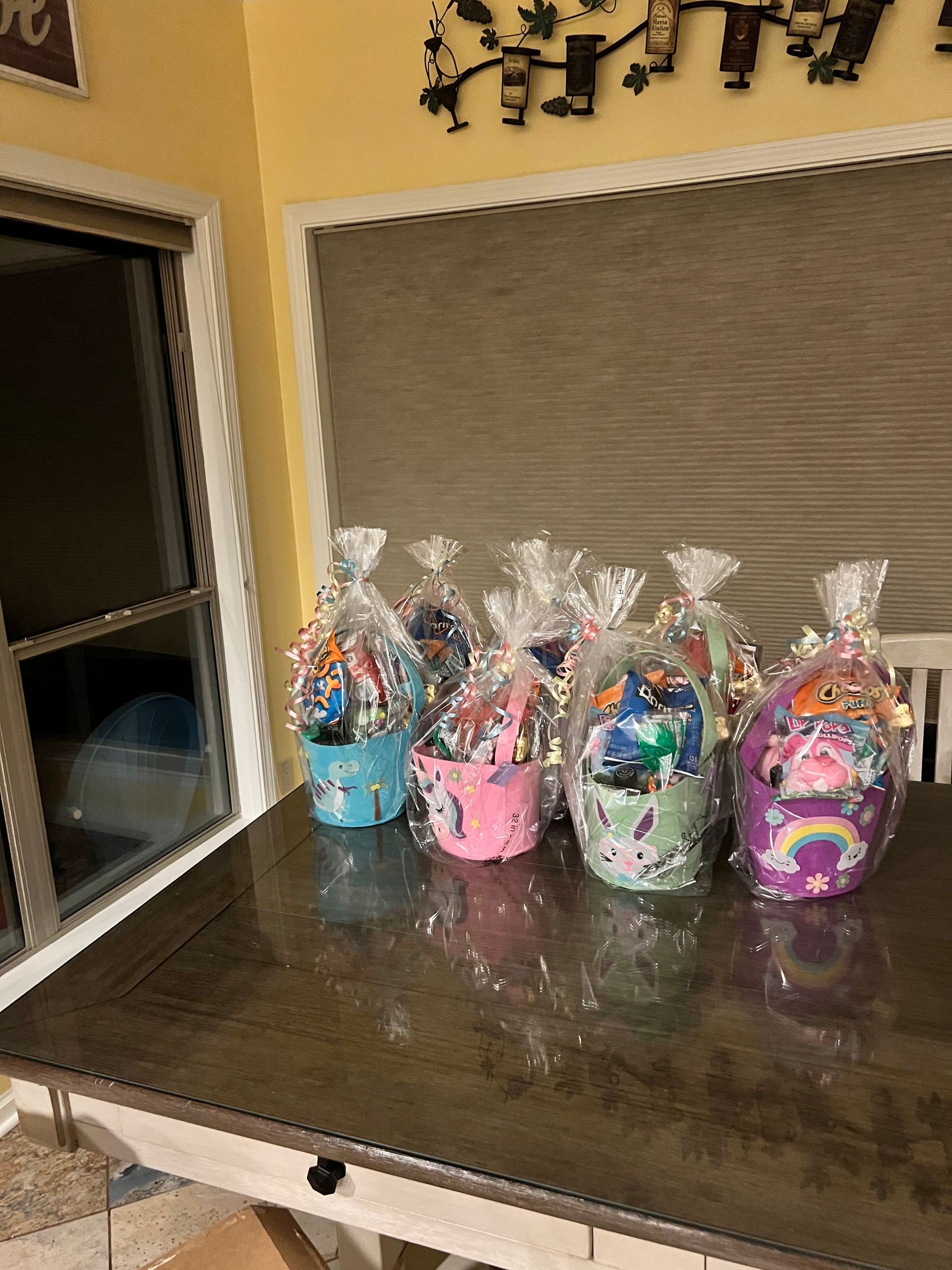
Learn how SEA Inc. celebrated Easter by providing gift baskets to girls at the Booneville Human Development Center and spreading holiday cheer.
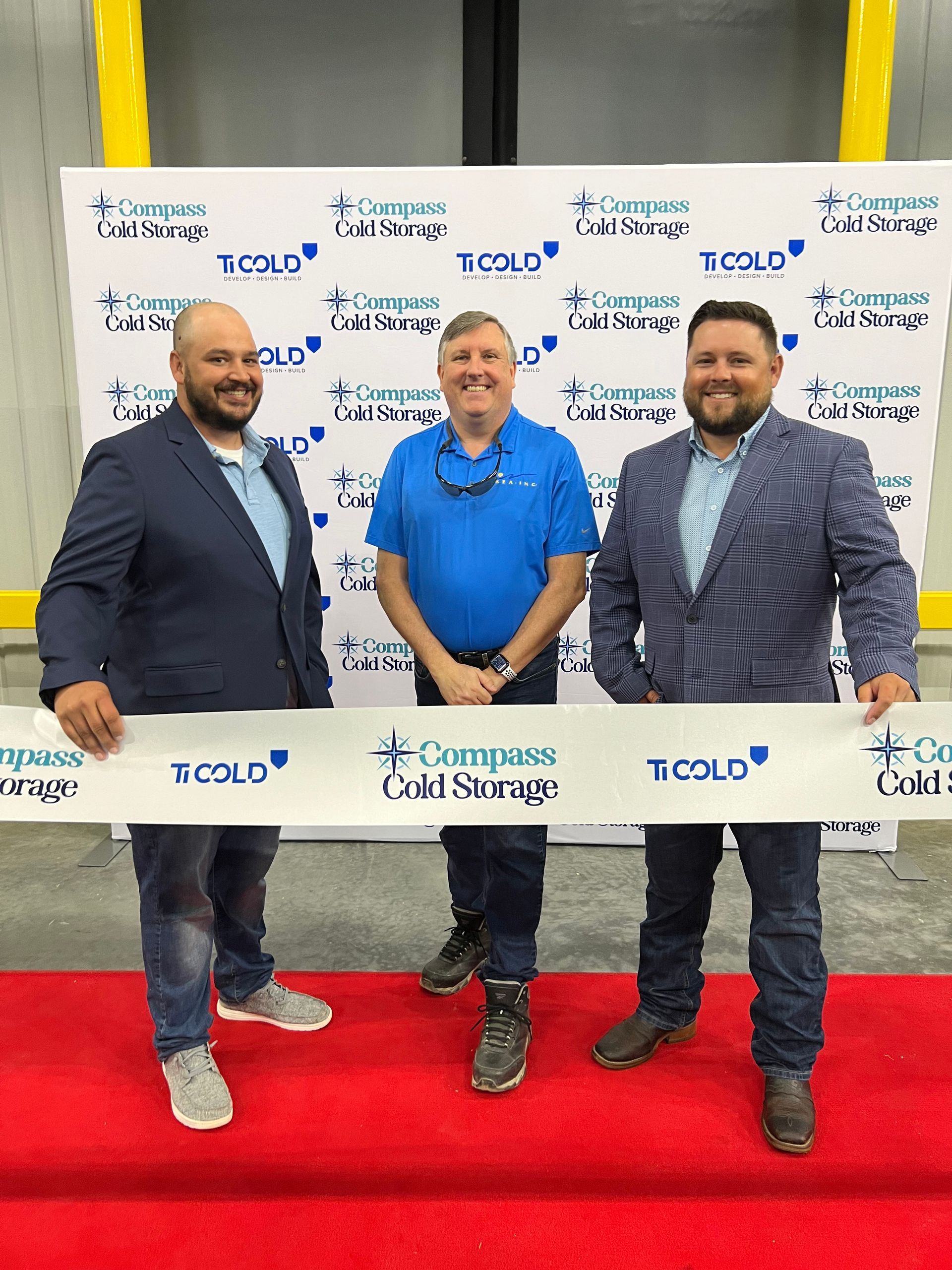
Read how SEA Inc. supported the Compass Cold Storage project in Mulberry, Arkansas with construction safety inspections, audits and onsite consulting.
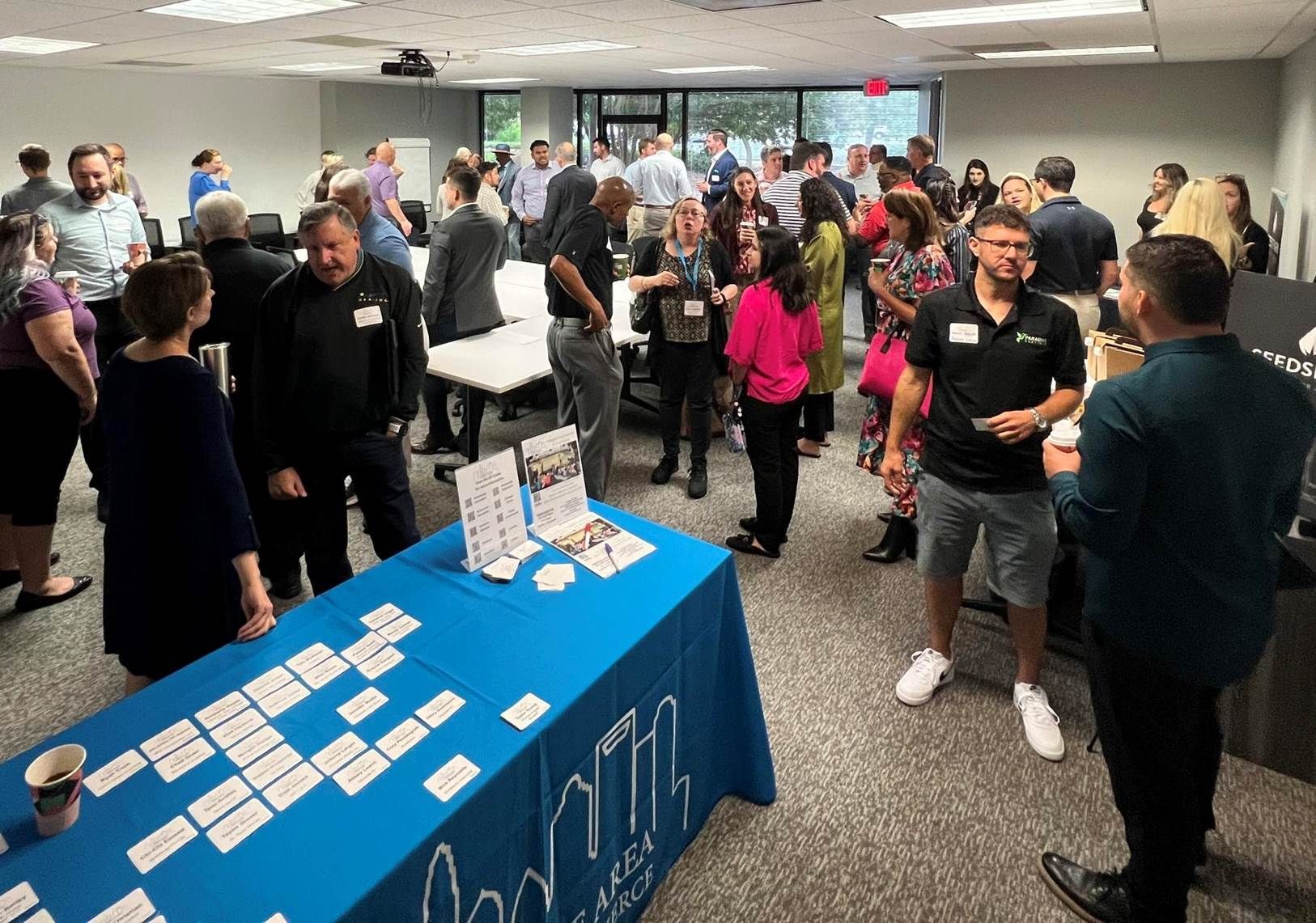
SEA Inc. attended the Charlotte Chamber of Commerce networking event, connecting with business leaders and strengthening relationships across the Carolinas.
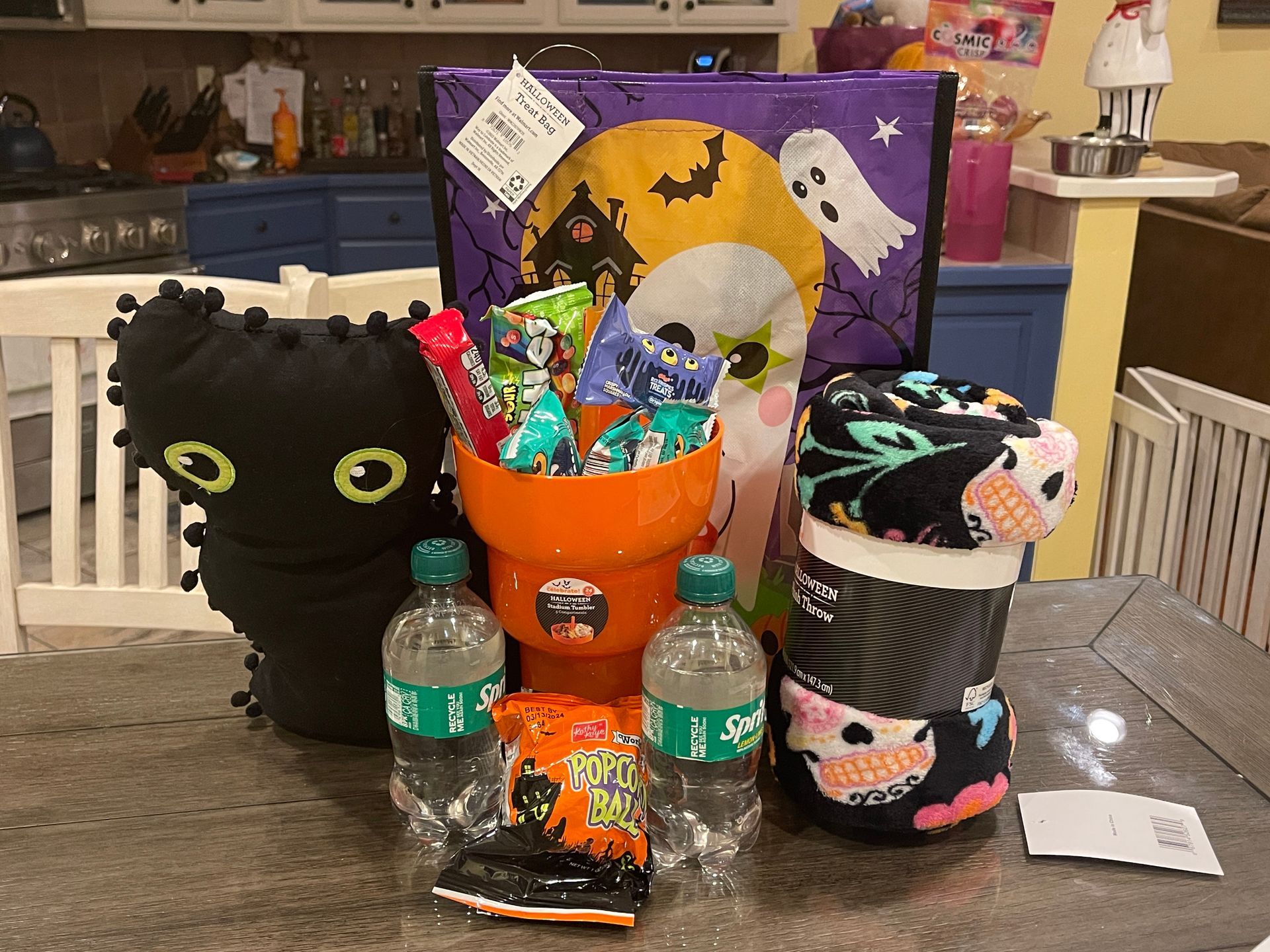
Discover how SEA Inc. celebrated Halloween by supporting the Booneville Human Development Center and creating a fun, memorable day for the residents.

Learn how SEA Inc.'s 2025 leadership retreat strengthened collaboration, professional development and innovation through team learning and guest speakers.

See how SEA Inc. celebrated Valentine's Day by spreading kindness, giving back to the community and making a positive impact through acts of compassion.
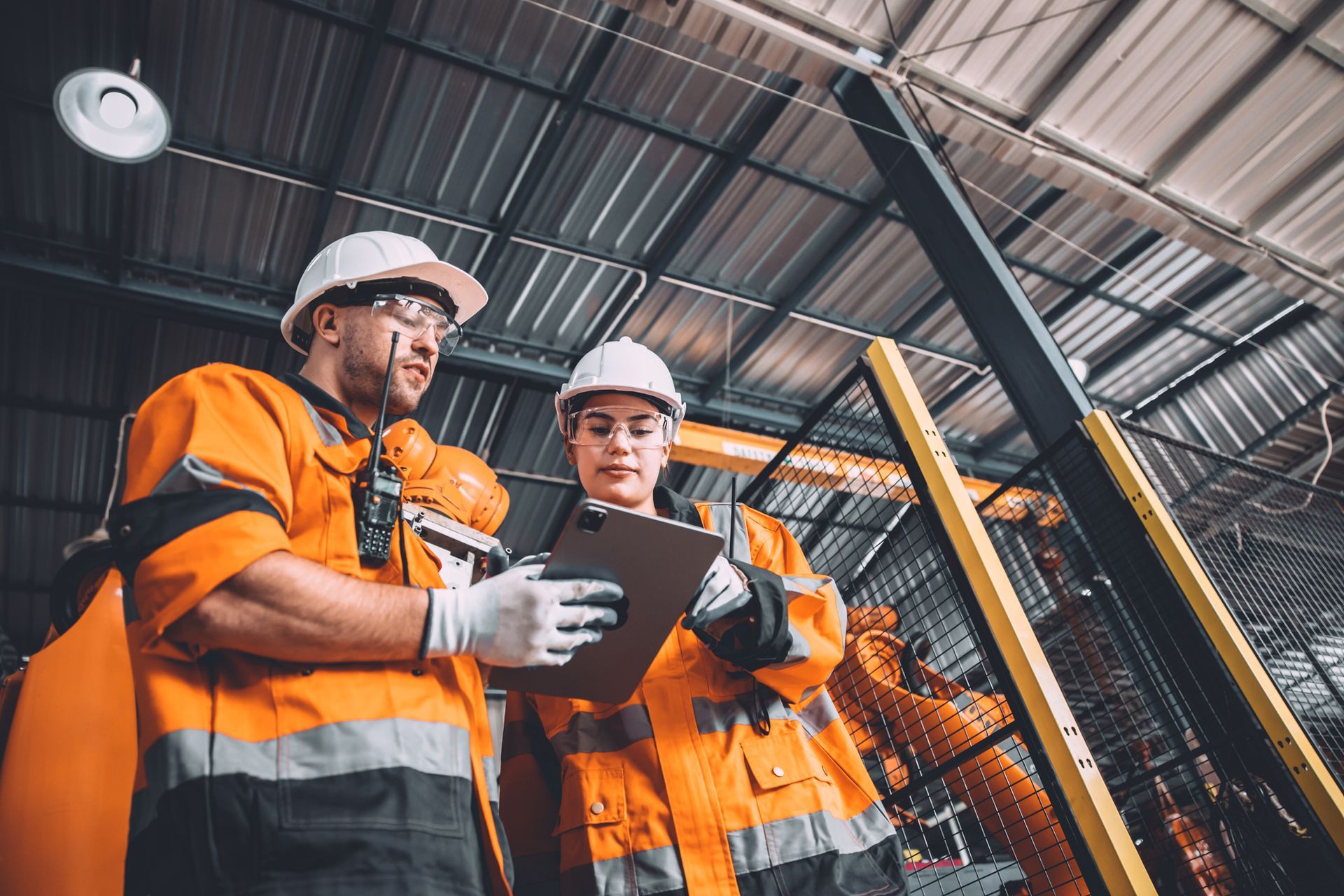
Ensuring Employee Accountability: A Call for Citing Employees Under OSHA's General Duty Clause
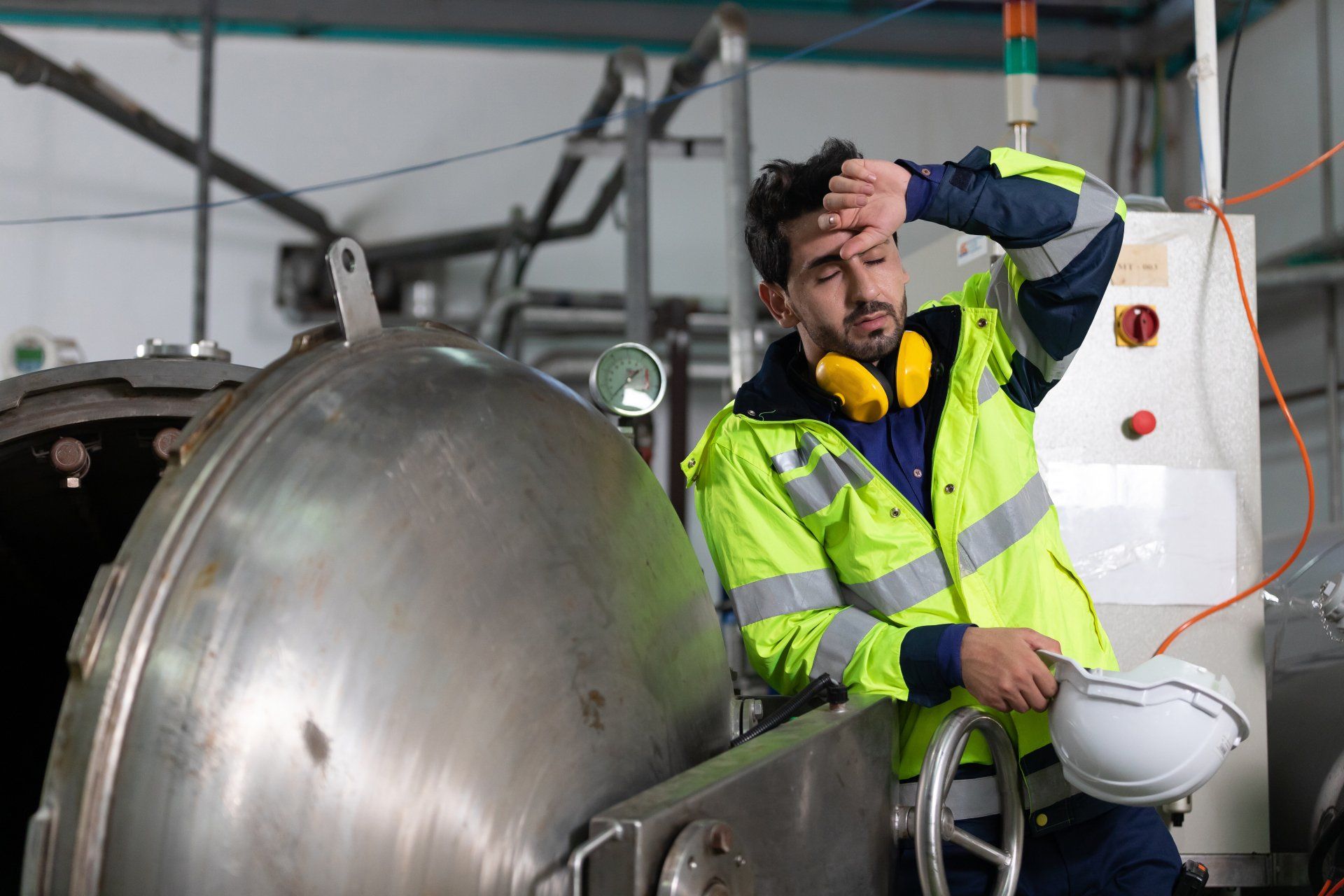
On April 8, 2022, OSHA launched a National Emphasis Program (NEP) to protect workers from heat illness and injuries in general industry, construction, maritime, and agriculture. The NEP requires each OSHA region to increase the number of heat inspections by 100 percent over the past five-year average. OSHA will proactively initiate inspections in over 70 high-risk industries in indoor and outdoor work settings when the National Weather Service has issued a heat warning or advisory for a local area. Initial follow-up inspections will be conducted for establishments that were previously inspected as a result of a heat-related fatality and were issued citations. On days when the heat index is 80°F or higher, OSHA inspectors and compliance assistance specialists will engage in proactive outreach and technical assistance to help stakeholders keep workers safe on the job. Inspectors will look for and address heat hazards during inspections, regardless of whether the industry is targeted in the NEP. What do you need to do now? Assessment of high-risk areas is a must to quickly and accurately evaluate potential heat stress environments and determine what controls are practical to minimize or eliminate this potential hazard. Develop a Heat Stress or Temperature Extreme Management Plan that addresses your areas that are applicable conditions such as Hot, Cold, Windy, Wet, etc. How SEA can help… SEA can help you reach compliance with the new OSHA National Emphasis program by conducting accurate evaluations of potential heat stress areas using real-time instrumentation that eliminates the need to carry paper charts, pocket guides, and look-up tables into the field by measuring Dry Bulb Temperature, Wet Bulb Temperature, Globe Temperature, Relative Humidity, and Air Velocity. Using this process will help safety and health managers identify which control may apply to your specific areas. SEA will help you meet the requirements of the NEP and the assessment can be expanded to meet other conditions at your facilities such as Cold, Windy, and Wet environments too. Upon request, SEA can develop your site-specific Temperature Extreme Management Plan which includes: Hazard Assessments Medical Surveillance Control Measures Operational and Maintenance procedures Emergencies Inspections Record keeping Contact SEA today for more information.

SEA Introduces Flex-Learning

Environmental Preparation and Reporting can be very time-consuming, frustrating, and confusing, especially with ever-changing regulations and agency requirements. Applications, Reports, and Calculations are provided to your company in an easy-to-use format complete with an executive summary and documentation. Regulatory agencies have complemented SEA's reports for completeness and clarity, key ingredients for an Environmental Document that is usable and defensible year to year. Let SEA help you with these reports.

Companies acting proactively to protect their workplace are protecting and sustaining their bottom line by minimizing how a COVID-19 impact would affect their company. Administrative Agricultural Architectural Automotive Energy Engineering Food Service Hospitality Legal Manufacturing Retail Transportation, And many more businesses are protecting their employee, business risk and bottom line by being proactive and professionally disinfecting their workplaces.

Do you manage a warehouse, laboratory, hospital, school, medical facility, factory, or operation that uses small containers (usually less than 10 gallons each) of chemicals including: Solvents Reagents Paints Thinners Dyes Inks Acids Bases Cleaners Strippers Pool Chemicals Dry Cleaning Compounds Or Other Hazardous Chemicals Over time, you will find that bottles, jars, cans and various containers have accumulated that are out-of-date, contaminated, partially used, leaking, or simply no longer needed.

Celebrating 27 years of professional education services, Safety & Environmental Associates, Inc. (SEA) has taken training beyond the chalkboard. It has been our belief throughout the years that if we can get the student to automatically think or behave progressively what we call “Unconscious Competence” then the Environmental or Safety program can effectively grow. Using audience response techniques designed to establish a connection between the trainer and participants, SEA’s training systems have proven to increase attention and comprehension by the student beyond that of traditional training.
One of the most important courses that you will ever take is HAZWOPER training, short for Hazardous Waste Operations and Emergency Response. This course is required of many employees by the Occupational Safety and Health Administration to prepare them to take immediate action if hazardous substance is released into the environment. Federal rules govern employees who work with hazardous materials and those providing emergency response.
If you work in construction, warehousing or the service industry, you are probably familiar with the Occupational Safety and Health Administration, popularly known as OSHA. Businesses are required to follow OSHA guidelines in order to protect their employees and clients. If you fail to meet OSHA guidelines, you may face hefty penalties and earn a bad reputation in your community.

Learning about the most common OSHA violations and how they are classified will help you adjust your business model to avoid expensive fines, increase employee safety, and decrease time lost from accidents and investigations. The Occupational Safety and Health Administration (OSHA) classifies violations of its safety rules and regulations into one of five categories: Serious Violations “Other Than” Serious Violation Willful Violations Repeated Violations Failure to Correct Prior Violations Any of these violations can result in fines of up to $250,000 and possible disruption of your company’s operations. You can avoid these fines and disruptions by ensuring that your employees are properly trained in OSHA safety regulations. The 5 Most Common OSHA Violations Use this list of common OSHA violations as a bird’s-eye overview of how your company would fair during an audit. Are you making mistakes that could lead to an expensive citation? 1. Inadequate Fall Protection (1926.501) – 6,721 Slips and falls on construction sites and in manufacturing plants are the number one reason employers receive OSHA citations. According to OSHA guidelines, you must determine if working and walking surfaces have the structural integrity and strength to safely support your employees. Guardrail systems, personal fall arrest systems, and safety net systems must be in place before you allow your employees to work in areas of higher elevation. Employees using a hoist must also be protected from falling six feet or more by personal fall arrest or guardrail systems. 2. Minimal or Missing Hazard Communication (1910.1200) – 5,192 To avoid violations of hazard communication, you must ensure that the labels on hazardous chemical containers have not been defaced or removed and that the safety data sheets associated with these chemicals are accessible to your employees during each shift. You, as the employer, must also provide OSHA-approved training to any employee handling hazardous chemicals. The improper handling and disposal of hazardous waste are a health risk to both your employees and your community. 3. Unsafe Scaffolding (1926.451) – 4,295 Scaffolds and scaffolding components that are incapable of supporting their own weight plus four times the weight of its maximum intended load (workers) are a commonly cited OSHA violation. In addition, suspension ropes and all connecting hardware should support six times or more the maximum intended load transmitted or applied to the rope holding up the scaffolding. 4. Improper Respiratory Protection (1910.134) – 3,305 If you fail to provide your employees with the equipment necessary to protect their health, you could be issued an OSHA citation. Respiratory protection is essential for employees working around harmful gases, dust, smokes, vapors, fogs, and sprays. OSHA lists dozens of different respiratory protectors that are expected to be used by employees working in specific hazardous situations. Some of these respirators include positive pressure, supplied air, and pressure demand respirators. If OSHA finds your employees are not wearing the correct type of respirator according to their guidelines, you will be cited and fined. Familiarize yourself with the proper respiratory protection for your industry’s work environment and implement the correct regulations accordingly. 5. Lockout/Tagout (1910.147) – 3,002 This violation can occur when unexpected energization or startup of your business’s machines or equipment could harm an employee. This is an important regulation for the safety of employees who are required to repair or service heavy equipment and for employees who have to work in proximity to conductors and other electrical hazards. To avoid injury, you must utilize both lockout devices – a device that ensures machinery cannot be powered on until the device is removed – and a tagout device – a tag that clearly indicates the use of an energy isolating device. Tagouts ensure that machinery is not used until the device blocking power is safely removed. Preventing OSHA Violations Although OSHA representatives may seem overly exacting during an inspection, these common OSHA violations are all avoidable job hazards that can be prevented with the proper training and instruction from a qualified safety consultation firm. For more information about OSHA training, contact SEA Inc. at 501-568-3111 to speak with one of our certified trainers.

Looking at a company’s safety failures can push your company forward in understanding what not to do when it comes to workplace safety. A recent OSHA investigation determined that Ashley Furniture had endangered several thousand workers at its Arcadia, Wis., manufacturing facility. Since 1982, the agency has conducted 33 federal inspections and 23 state plan inspections of Ashley Furniture. The company disputes the allegations. Building a Culture of Safety The subtitle of the OSHA press release of February 2, 2015, reads: “Largest furniture retailer in the U.S. exposes employees to amputations, other hazards.” After a worker lost three fingers in a woodworking machine accident in July 2014, the U.S. Department of Labor’s Occupational Safety and Health Administration conducted an inspection of the furniture manufacturer’s Wisconsin facility. The agency concluded that over 1,000 workplace injuries had occurred over a three-and-a-half-year period. The “12 willful, 12 repeated, and 14 serious safety violations” could cost Ashley Furniture $1.7 million in penalties. At least 10 percent of the injuries shared the same cause: machines that started unintentionally when workers changed tools or blades. It was found that the risk could be easily remedied with inexpensive, emergency stop safety mechanisms. In the “penny wise, pound foolish” category of misplaced priorities, the company appears to have cut safety corners and now faces a far greater loss in steep fines. Along with exposure to faulty equipment, the workers were not properly trained in safety when servicing the machinery. Company-imposed pressure to work quickly to meet deadlines and increase productivity was another contributing factor. OSHA discovered that workers were being exposed to corrosive materials because the facility lacked adequate drenching and flushing procedures. Engineering controls that minimize employee exposure to chemical hazards by either reducing or removing the hazard at the source, or isolating the worker from the hazards, were lacking. Three electrical safety violations were also cited. A willful OSHA violation is one committed with intentional, knowing, or voluntary disregard for the law’s requirement, or with plain indifference to employee safety and health. OSHA maintains that Ashley Furniture knew of the existing hazards and was willfully and intentionally negligent. The company has also been placed in the Severe Violator Enforcement Program for failure to address these safety hazards. Safety and Profits It’s a bit surprising to learn of the multiple risks that the largest furniture manufacturer in the country took with employee welfare, company reputation, and company capital. Reliable program development and expert training programs are available through environmental, health, and safety service firms specializing in training and compliance, such as SEA Inc. With compliance and safety management programs as well as portable and flexible training programs that are customized and site-specific, as well as conducted on site, there is no reason not to invest in the education and safety of a workforce. OSHA and the major insurance carriers estimate that for every $1 you spend on safety and training you get $4 in return. While $1,766,000 in penalties might not deal a huge blow to a nearly 4 billion-dollar company such as Ashley Furniture, any amount of fine is too much, in SEA’s opinion. Offering your employees OSHA training courses that meet or exceed the agency’s requirements, taught by SEA’s professional trainers with extensive, hands-on experience in the fields in which they train, ensures subject matter mastery for your workforce. Students obtain in-depth knowledge and understanding of the applicable regulations, as well as practical methods of implementation to minimize environmental, safety, and health risks in the workplace. Competence and confidence increase, injuries and non-compliance fines decrease. Employees learn how to work smart and work safe. Contact SEA Inc. to learn how our OSHA training courses, either in our facility or at your location, can help you maintain compliance, protect your workforce, and avoid costly OSHA violations. Call 501-568-3111, or toll free 888-627-8740 today.
OSHA 10 and OSHA 30 training can improve worker safety and reduce worker’s compensation claims. The growing success of this program has led OSHA to take steps to improve course completion security. March 2019 – Little Rock, AR – SEA Inc., a major industrial safety, environmental services and training company, has announced that its long-running OSHA safety training program for manufacturers, construction companies, and other industrial customers will be adopting new, more secure student course completion cards consistent with recent guidance from the Occupational Safety and Health Administration (OSHA). SEA’s OSHA safety courses are part of OSHA’s Outreach Training, a program that gives individual workers and their supervisors structured safety training that helps them recognize, avoid, and address safety hazards in the workplace. Studies have shown that workers who have participated in safety training programs report fewer accidents resulting in significant reductions in workers compensation claims. There are four general classes of training under Outreach OSHA safety training. The Construction Industry program is for workers employed at residential and commercial building sites. The Maritime program provides courses for employees of shipbuilders, marine terminals, and related on-shore facilities. The Disaster Site training is for workers involved with demolition and clean up in the wake of natural and man-made disasters. Finally, there is General Industry training, which supports those working in manufacturing and other industrial settings. In each of the four general classes of Outreach training, workers can participate in a 10-hour (OSHA 10) or a 30-hour course (OSHA 30). OSHA 10 is intended for entry-level employees. OSHA 30 is for supervisors and/or those with broader safety responsibilities. Trainers giving these courses receive special OSHA certification and are authorized to issue student course completion cards. The need for more secure student course completion cards has been driven by the Outreach Training Program’s increasing acceptance. While employers are not required by OSHA to participate, some cities and states are now mandating OSHA 10 for construction workers. This has led many companies to require job applicants to have already completed the OSHA 10 or OSHA 30 course. In addition, other companies are making Outreach Training an integral part of their in-house safety programs. Over the past five years, some 3.6 million workers have participated in Outreach OSHA 10 or OSHA 30 training. The new course completion cards will be more durable than the current paper cards and will include the student’s name, trainer, training date, and the name of the OSHA Training Institute that sponsored the course. The cards will also include a QR code that can be used by employers to check the employee’s name against a database of trainers and students. SEA’s safety-training courses include OSHA 10 and OSHA 30 General Industry and Construction Outreach Training. Open enrollment courses are held in Little Rock and St. Louis. In addition, employers can schedule on-site training for their employees. For more information about SEA’s OSHA Outreach Training, contact SEA at 501-568-3111 to speak with one of our training specialists.
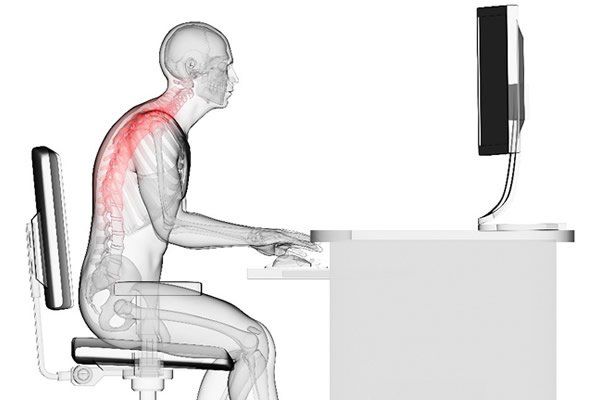
Ergonomics training is a highly effective program for keeping your employees aligned and aware of their bodies. Ensuring that your employees remain healthy and safe while on the job boosts morale and increases your company’s profitability. Ergonomics training involves using scientific knowledge of anatomy and engineering to reduce the amount of strain your employees experience while performing normal work tasks. An ergonomics training program is designed to lower the risk of work-related injuries and improve employee productivity and morale through well-being. Increase your profitability by maximizing your workforce’s satisfaction and productivity. Basics of Training The exact training procedures for ergonomics depend on the type of work environment; your ergonomics trainer will formulate a program based on whether you operate out of traditional offices, retail businesses, construction sites or industrial warehouses. In general, ergonomic training involves teaching employees basic ergonomic principles and how to apply those principles to the workplace. Topics that are typically covered during training include safe work practices, greater awareness of tasks that raise the risk of injury, and the proper use of workplace tools, machines, and equipment. For example, in an industrial ergonomics program, employees who operate heavy machinery would learn how to stand properly while working to reduce their risk of developing lower back problems or other musculoskeletal disorders. Employees who have desk jobs would learn how to position themselves at their computer to reduce strain on their neck and upper back. After going through ergonomics training, employees should also understand how to report workplace injuries or health conditions. Understanding why it is important to recognize and report injuries as early as possible helps ensure that employees receive proper medical care to prevent their condition from becoming worse, potentially leading to work absenteeism. Benefits of Ergonomics Ergonomics training provides several benefits for both workers and business owners, including the following: Improved morale Employees experience less physical discomfort on the job, which makes them better able to perform well on a consistent basis. Ergonomics training also shows your employees that their employer is taking measures to protect their health and safety, leading to improved relations between you and your employees. Increased productivity Ergonomics principles make it easier for employees to do their job efficiently, which helps them become more productive. With the greater ease of movement that ergonomics allows, employees can accomplish more in a typical workday than they would when experiencing discomfort or strain while working. Improved attendance Ergonomics reduces the risk that your employees will develop health problems or sustain injuries that cause them to miss work. Employees will also learn to recognize problems early on, resulting in prompt treatment that can prevent injuries from becoming more serious. Increased Profitability Ergonomics training can boost your company’s bottom line by ensuring that your employees are working as efficiently as possible. An increase in efficiency and productivity means that work tasks and projects are completed on schedule, leading to satisfied customers and clients. Because ergonomics also decrease the risk of worker injury, you can reduce the costs involved in lost production hours and high-turnover rates. It’s almost always cheaper to keep the employees you have happy than to re-train a replacement. Fewer injuries and work-related health conditions result in a lower number of compensation claims, which can add up to considerable savings over time. Having an ergonomics assessment can help you determine if your company is doing enough to protect your employees. For more information about ergonomics training in Arkansas, contact SEA Inc. at 501-568-3111 to speak with one of our certified trainers.
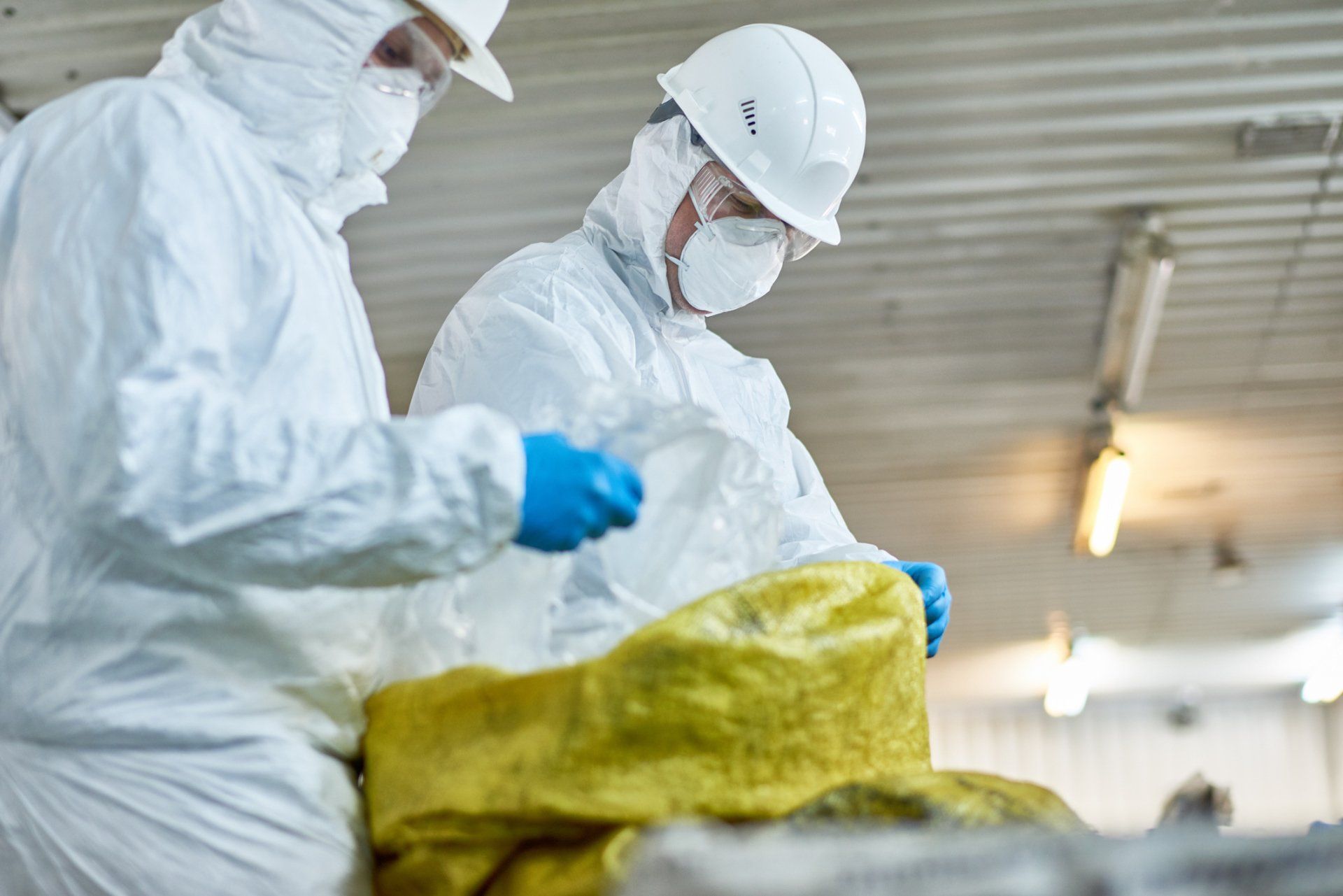
Do you manage a warehouse, laboratory, hospital, school, medical facility, factory, or operation that uses small containers (usually less than 10 gallons each) of chemicals including: Solvents Acids Bases Reagents Paints Thinners Dyes Inks Cleaners Strippers Pool Chemicals Dry cleaning compounds Or other hazardous chemicals Over time, you will find that bottles, jars, cans and various containers have accumulated that are out-of-date, contaminated, partially used, leaking, or simply no longer needed.

SEA, Inc. offers a full range of IMDS services, including data research, collection, entry, and QA/QC; product/component review; turnkey administration; parts data management (PDM) systems analysis; IMDS strategic planning; and communication & training programmes. Level 1: Data Entry Designed to load IMDS for your simple parts. Level 2: Data Research/Data Entry Designed to load IMDS for your more complex parts… Level 3: Turnkey IMDS Management Designed to administer and manage your IMDS programme in full. Level 4: Systems & Strategy Designed to integrate IMDS into your existing information systems… and utilize its full power.

The International Environmental Management (EMS) Standard, is increasingly being seen as a strategic business requirement by a growing number of organizations of all shapes and sizes. This has mainly been in response to pressure from key customers demanding that their suppliers conform to ISO 14001. SEA has developed a unique system that can reach EMS registration (certification) to ISO 14001 without being an expensive, complicated and time-consuming process. SEA Implementation Plan for ISO 14001 has been proven on several clients nationwide. SEA Implementation Program include the following services: SO14000 Executive Management Briefings: SEA conducts briefings, which provide an in-depth review of the ISO 14001 requirements, the potential benefits of registration and the legal/regulatory impacts of pursuing registration. Selecting Environmental Performance Indicators for ISO 14001: Selection of appropriate environmental performance indicators is key to becoming ISO 14001 registered. SEA provides consulting assistance and in-house workshops to assist in reviewing your environmental aspects, setting environmental objectives, selecting performance indicators, establishing matrixes and measurement procedures. > ISO 14000 Baseline Audit and Gap Analysis: SEA conducts a baseline audit and/or gap analysis to compare your current environmental management system against the ISO 14001 requirements to determine where your system conforms to the standard as well as those areas where changes are needed. > ISO 14001 Registration Assistance: Consulting assistance provided on an as-needed basis to ensure your ISO 14000-registration process stays on track. SEA works with wide variety of clients allowing us to provide a third party, total system perspective and technical solutions you may not have considered. > ISO 14001 Pre-Registration Audit: SEA’s ISO 14000 certified Lead Auditors will conduct a pre-registration audit to insure that your company is ready for registration. > ISO 14001 Post-Registration Audit: SEA’s ISO 14000 certified Lead Auditors will conduct a post-registration audit to insure that your company is maintaining the provision.

The overall idea behind green manufacturing is to encourage businesses and manufacturing plants to implement environmentally-friendly practices. Throughout the country, state agencies are taking active steps to promote pollution and waste reducing industrial practices. Not only does the environment benefit from green manufacturing, but by implementing eco-friendly policies, businesses and area communities are positively impacted as well. 1. Green Manufacturing Reduces Costs and Increases Productivity in the Long Run Green manufacturing processes are often more cost-effective than traditional manufacturing processes. For example, an energy efficient piece of equipment that has replaced the gearboxes with direct-drive motor technology can improve operating efficiency from 60 to 90% on average. Implementing similar “green” mechanics may be more expensive initially, but can significantly lower production costs and save businesses money in the long run. In addition to lowering production costs, more efficient practices mean increased productivity, which often results in quicker turnaround times and product fulfillment. 2. Green Manufacturing is Healthier for Employees How can improving manufacturing processes improve the health of employees? Consider the effects of equipment running on alternative or “clean” energy rather than gasoline. This equipment will produce significantly less carbon monoxide (none if switching to electricity) reducing, and in some cases eliminating health hazards of working equipment that is running idly. Green workplace environments are not only good for employees physically, but can also increase company morale. A 2009 study conducted at the University of Central Florida revealed that today’s generation of employees is more critical of green practices in the workplace. If strategically developed and implemented, green practices can increase employee motivation and engagement. Employees who care about the environment and work at an eco-friendly organization are ultimately healthier, happier contributors to the company’s success. 3. Green Manufacturing in Arkansas Helps Take Care of the Environment Of course, a major reason for businesses to incorporate green manufacturing practices is sustainability and environmental protection. Manufacturing by-products and facility waste have a tremendous impact on surrounding communities, but the eco-friendly steps that are implemented can reduce a company’s carbon footprint and help make a positive, lasting change on the world. The state of Arkansas, my home state, actively promotes green energy initiatives. The Arkansas Economic Development Commission’s Energy Office manages the federal energy funds of the state and promotes efficiency by offering informational programs to the public. Through this office, business owners, residential consumers and contractors can keep up-to-date on the latest energy saving initiatives and incentives offered at the state and federal level Start the Process Today Are you ready to take the next step toward green manufacturing? SEA’s EHS Management Systems offers environmental consulting services and site management for sustainability and green manufacturing. Contact an SEA expert today to assist your company in reducing costs, increasing productivity, and taking care of our planet for future generations.

New changes to the Clean Water Act reporting requirements will affect many businesses throughout the nation. It is important to understand how these changes will affect you and your company to ensure that you remain compliant with EPA standards. The EPA’s proposed changes to Clean Water Act reporting requirements require those firms still submitting paper-based NPDES reports to convert to electronic reporting. According to the Agency, the switch will improve compliance with Clean Water Act specifications as well as facilitate improved protection of U.S. waters. However, for those businesses and industries that are accustomed to filing written reports, the switch to electronic reporting will necessitate costly system changes. SEA Inc., a Little Rock-based environmental health and safety service company, makes it easy and economical to comply with EPA regulations. SEA provides complete environmental services, including planning, training and automated reporting. Benefits of the Proposed New Clean Water Act Reporting Requirements A total of 46 states have EPA authorization to administer the NPDES – National Pollutant Discharge Elimination System. Once reporting is completely digitized, community members will be able to look up information on discharges by local industries and facilities that impact regional environmental health. EPA projects that the proposed e-reporting rule will save a significant amount of money since it will eliminate the need for government workers to manually enter the data that they receive in written form. Instead, NPDES participants will submit it directly into the system. This will also ensure that this information becomes available more quickly to the public. While these improvements are beneficial, a change in reporting methods will represent difficulties for those municipal systems, industries and other facilities working within the NPDES framework. The rule would become effective one year after it becomes final, providing a relatively small window for participants to comply with new Clean Water Act reporting requirements. Advanced planning is critical, and SEA is a leading environmental service provider with the specialized knowledge to help organizations plan for and complete the conversion as smoothly as possible. Planning and Training for the Proposed Changes Although EPA is already planning webinars to help bring NPDES organizations up to speed with the new rule, the experts at SEA believe that hands-on training offers a far better option for those NPDES-permitted municipalities, businesses and industries that must make changes to meet the new reporting requirements. That is why SEA offers comprehensive training, planning and consulting, not only for NPDES compliance but for such programs as Hazardous Waste Management, RCRA Compliance, DOT, SPCC, and Hazardous Materials Management as well. SEA training instructors have updated industry knowledge and the ability to convey that information in an understandable format to managers and workers who deal with the handling and disposal of hazardous materials or industrial waste. SEA Services Make Compliance Simple SEA also provides full e-reporting services to organizations that lack the appropriate infrastructure to effectively convert from paper-based communications to the new proposed Clean Water Act reporting requirements. Because failure to comply with NPDES requirements may result in significant penalties, entrusting SEA’s integrated environmental reporting services to effectively meet state and federal requirements is the logical choice. See a full list of OSHA, EPA, and other regulatory standard training courses offered here at SEA Inc.