Show Safety Some Love—Support Makes Safety Stronger
Valentine’s Day is about commitment—and in manufacturing, one of the most meaningful commitments an organization can make is to support workplace safety. Safety isn’t a one-time initiative or a binder on a shelf. It’s a system that requires attention, reinforcement, and ongoing support. In fast-paced manufacturing environments, even strong safety programs can weaken over time without adequate resources.
Safety Doesn’t Fail—Support Fades
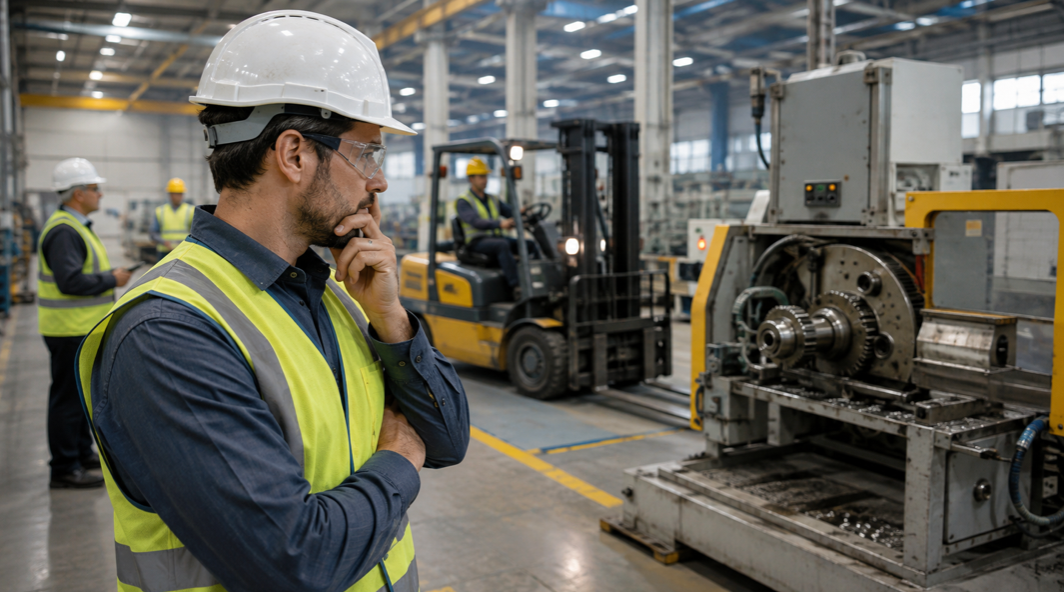
Manufacturing facilities face constant changes: new equipment, new employees, evolving OSHA regulations, and increasing production demands. As these pressures grow, safety programs are often expected to keep up without additional support.
The result?
- Training becomes inconsistent
- Hazard assessments get delayed
- Safety documentation falls behind
- Risks go unnoticed until an incident occurs
When safety is left to operate in isolation, it becomes reactive instead of proactive. Supporting safety means ensuring the program evolves at the same pace as the operation.
How Safety Consulting Makes Safety Stronger
As safety consultants, our role is to strengthen safety programs—not replace internal efforts or slow production. We work alongside manufacturers to provide the structure, insight, and expertise needed to keep safety effective and compliant.
Safety consulting support helps by:
- Conducting objective safety audits to identify gaps and risks
- Providing OSHA compliance guidance tailored to manufacturing operations
- Strengthening written safety programs so they match real-world practices
- Enhancing training to address actual hazards on the floor
- Helping leadership turn safety policies into consistent behaviors
This kind of support gives safety programs the reinforcement they need to remain effective long after the initial rollout.
Support Turns Compliance Into Culture
Compliance is important, but compliance alone doesn’t create a strong safety culture. Culture is built when employees see safety consistently supported by leadership, by systems, and by expert guidance.
When safety is supported:
- Employees are more engaged and confident
- Hazards are reported earlier
- Near misses become learning opportunities
- Accountability improves at every level
A supported safety program creates clarity. Employees know expectations, leaders understand their role, and safety becomes part of how work gets done—not something that competes with productivity.
Why Facilities Benefit from Outside Safety Support
Many companies rely on internal teams to manage safety, but internal resources are often stretched thin. Outside safety consultants provide a fresh perspective and specialized expertise that’s difficult to maintain in-house.
Working with a safety consultant allows manufacturers to:
- Gain objective insight into blind spots
- Stay current with OSHA standards and enforcement trends
- Prepare confidently for inspections and audits
- Reduce injury rates, downtime, and claim costs
- Strengthen safety without adding full-time headcount
Consulting support creates consistency and accountability—two things that are critical for long-term safety success.
Show Safety Some Love
Valentine’s Day is a reminder that the things we value most deserve care and attention. Workplace safety is no different.
Showing safety some love doesn’t mean overhauling everything overnight. It means supporting what’s already in place, reinforcing prevention efforts, and investing in guidance that helps safety grow stronger over time.
With the right support, safety becomes:
- More sustainable
- More effective
- Better aligned with operational goals
Because supported safety is stronger safety, and stronger safety protects people, productivity, and the future of your manufacturing operation. ❤️🦺