Beat the Heat: OSHA's Heat Safety Rule - What It Means for Your Business and How to Comply

As record-breaking temperatures sweep across the United States this summer, the health risks for workers exposed to extreme heat have surged to critical levels. Recognizing the severity of heat-related illnesses, which can range from dehydration to heat stroke and even death, the Occupational Safety and Health Administration (OSHA) has introduced the Heat Injury and Illness Prevention in Outdoor and Indoor Work Settings rule.
Why the New Rule Is Necessary
The urgency of this rule is underscored by reports of workers across various industries suffering from serious heat-related illnesses simply by performing their duties. The Assistant Secretary for Occupational Safety and Health has pointed out the alarming frequency of these incidents, highlighting the vital need for regulatory action to safeguard workers.
Key Provisions of the OSHA Heat Safety Rule
This new mandate is structured to enforce comprehensive measures that promise better protection for workers:
- Development of a Heat Illness and Injury Prevention Plan: Employers are required to draft a detailed plan that addresses the specific heat-related risks pertinent to their operations.
- Mandatory Access to Water, Shade, and Breaks: Employers must provide essential resources like water and shaded or air-conditioned rest areas, alongside regular paid breaks to help workers manage heat exposure.
- Training and Education: Workers and supervisors will undergo training to recognize early signs of heat-related illnesses and understand the steps to take in an emergency.
- Continuous Monitoring and Communication: The rule mandates ongoing monitoring of heat conditions and clear communication channels between workers and supervisors to respond promptly to any signs of heat distress.
What Businesses Need to Know
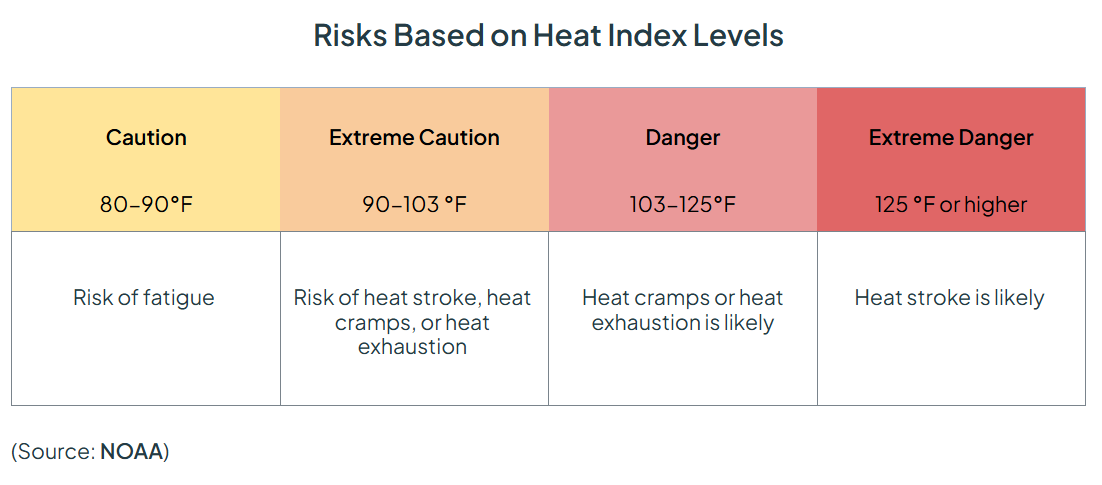
This rule applies broadly to all indoor and outdoor settings where temperatures reach or exceed 80°F, though it excludes certain professions like firefighters and emergency responders. Notably, the rule emphasizes the importance of acclimatization and gradual exposure to heat for new or returning workers, ensuring they build tolerance safely.
Implementing Effective Heat Safety Measures
Businesses are expected to conduct a heat hazard assessment that pinpoints both long-term and immediate risks associated with their specific work environments. Based on these assessments, tailored strategies—including scheduled rest breaks that adjust in frequency and duration as temperatures climb—must be implemented.
How to Prepare for Compliance
With enforcement projected to start in 2025, and OSHA already conducting inspections, it is crucial for businesses to review and enhance their current heat safety protocols. This involves setting up robust monitoring systems, ensuring water and rest areas are adequately provided, and fostering a culture of safety and awareness among all employees.
Conclusion: A Cooler, Safer Future with SEA
At Safety & Environmental Associates, Inc. (SEA), we recognize the challenges and complexities of complying with new safety regulations. Our team of experts is equipped to help you navigate these changes smoothly and efficiently, ensuring your heat safety measures are not only compliant but also effective in protecting your workers.
Interested in learning more about how to keep your workforce safe and compliant? Contact us today to find out how our consulting services can help you prepare for OSHA's new heat safety rule and ensure a cooler, safer working environment for your team.
By Derek Jennings, President SEA
Leave A Comment