MOLD TESTING & REMOVAL OVERVIEW
Derek Jennings is one of a few Certified Indoor Environmentalist (CIE) in the state.
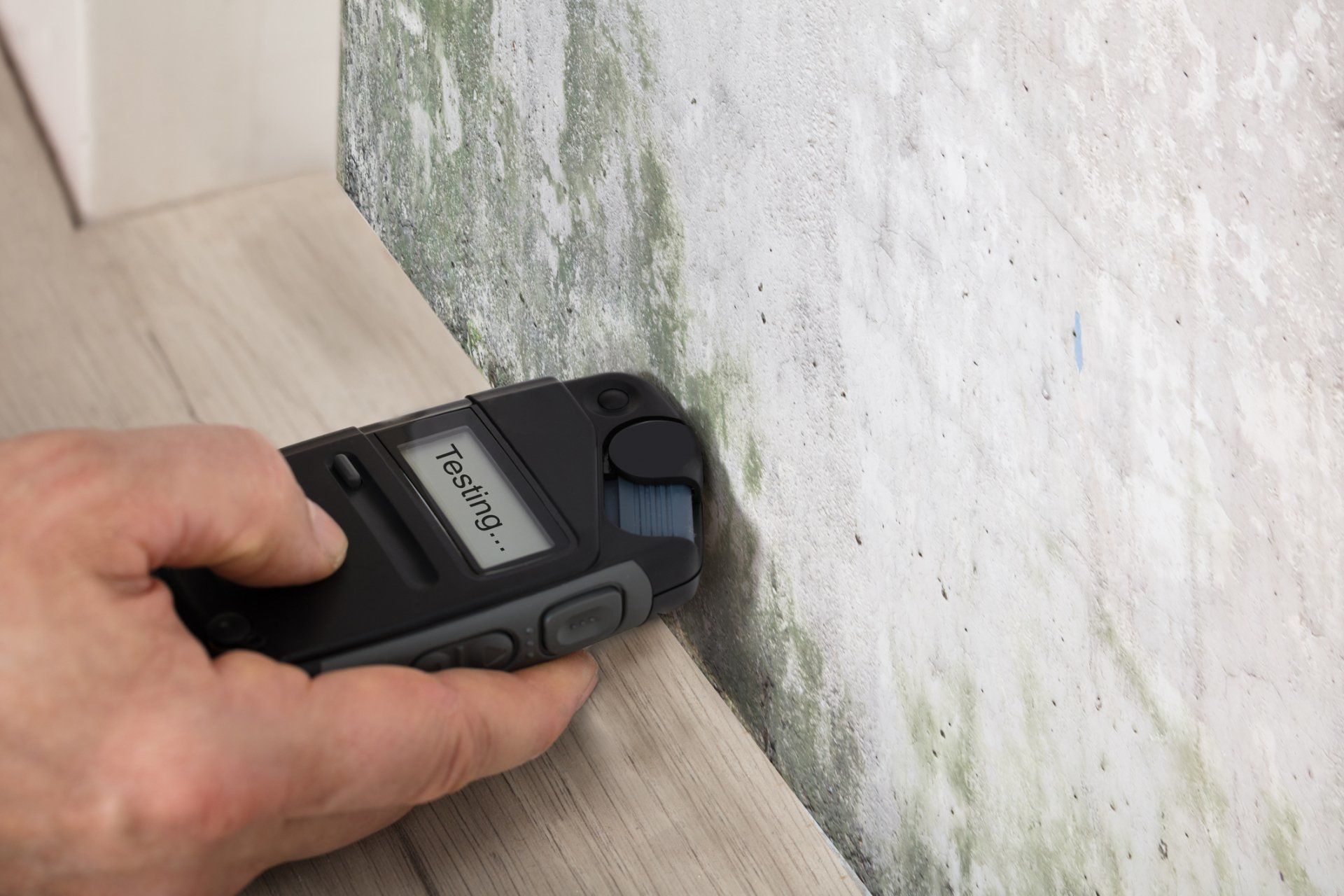
SEA’s indoor air quality site assessments include:
- Inspection of the structure inside and out with emphasis on ventilation system, building layout, and structures condition
- Thorough inspection and evaluation of ventilation systems, and air flow patterns
- Employee interviews and review of health records
- Inspections for hazardous chemical usage and storage
- Air sampling for biological-aerosols, carbon dioxide, carbon monoxide, formaldehyde, and other irritants and pollutants
- Evaluation of the moisture content of building materials and HVAC system throughout the building
- Wipe samples for mold and bacteria
- Collection of dust samples
Based on the findings of our investigation, SEA will recommend corrective actions, if necessary, as well as assist your organization in achieving environmental conditions that will provide optimum health and comfort for your employees. If a potentially serious indoor air quality problem is documented, SEA can provide the following services:
- Conduct Indoor Air Quality Studies for Mold and Other Contaminants.
- Write specifications for, and oversee implementation of, required corrective actions.
- Expert witness testimony during litigation.
By Derek Jennings, President, SEA
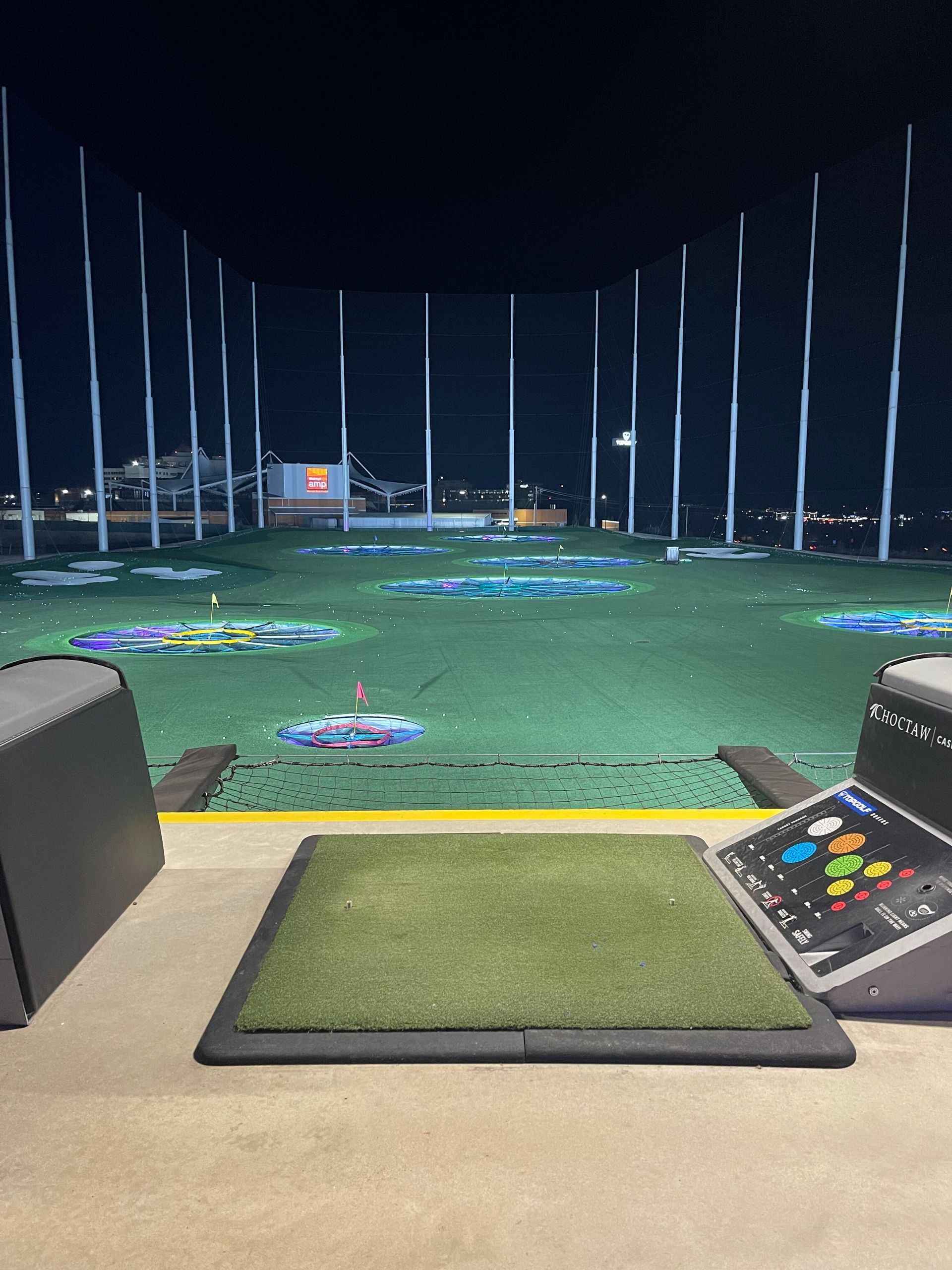
Explore highlights from SEA Inc.'s 2022 Managers Professional Development Retreat focused on leadership, teamwork and continuous learning in Bentonville, Arkansas.
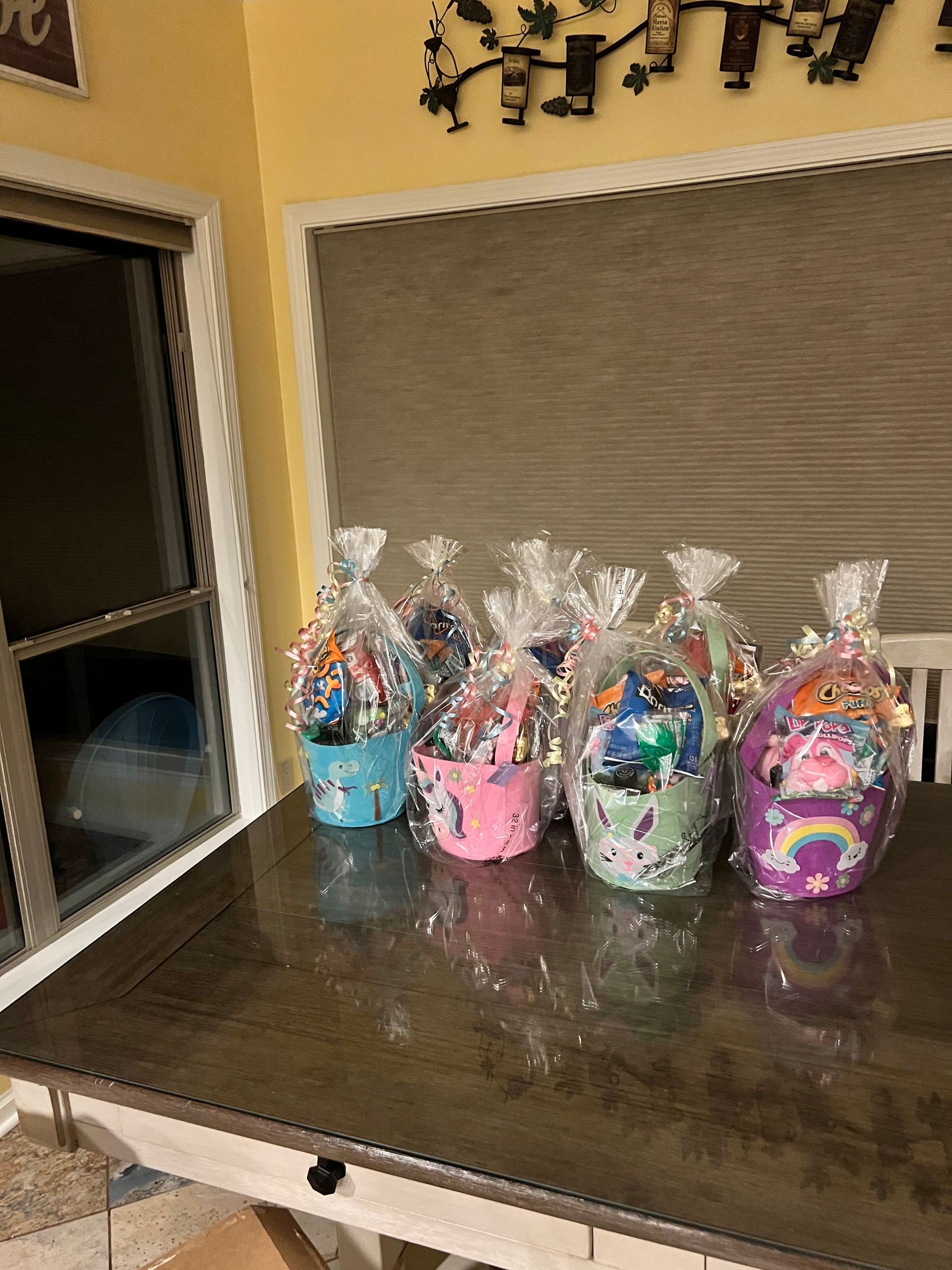
Learn how SEA Inc. celebrated Easter by providing gift baskets to girls at the Booneville Human Development Center and spreading holiday cheer.