The Risks in the Routine!
By Alison Jennings, VP Operations, SEA
Sometimes it takes a real-life moment to remind us how quickly routine tasks can turn into injuries.
Recently, I had a reminder of just how quickly something simple can turn into an injury.
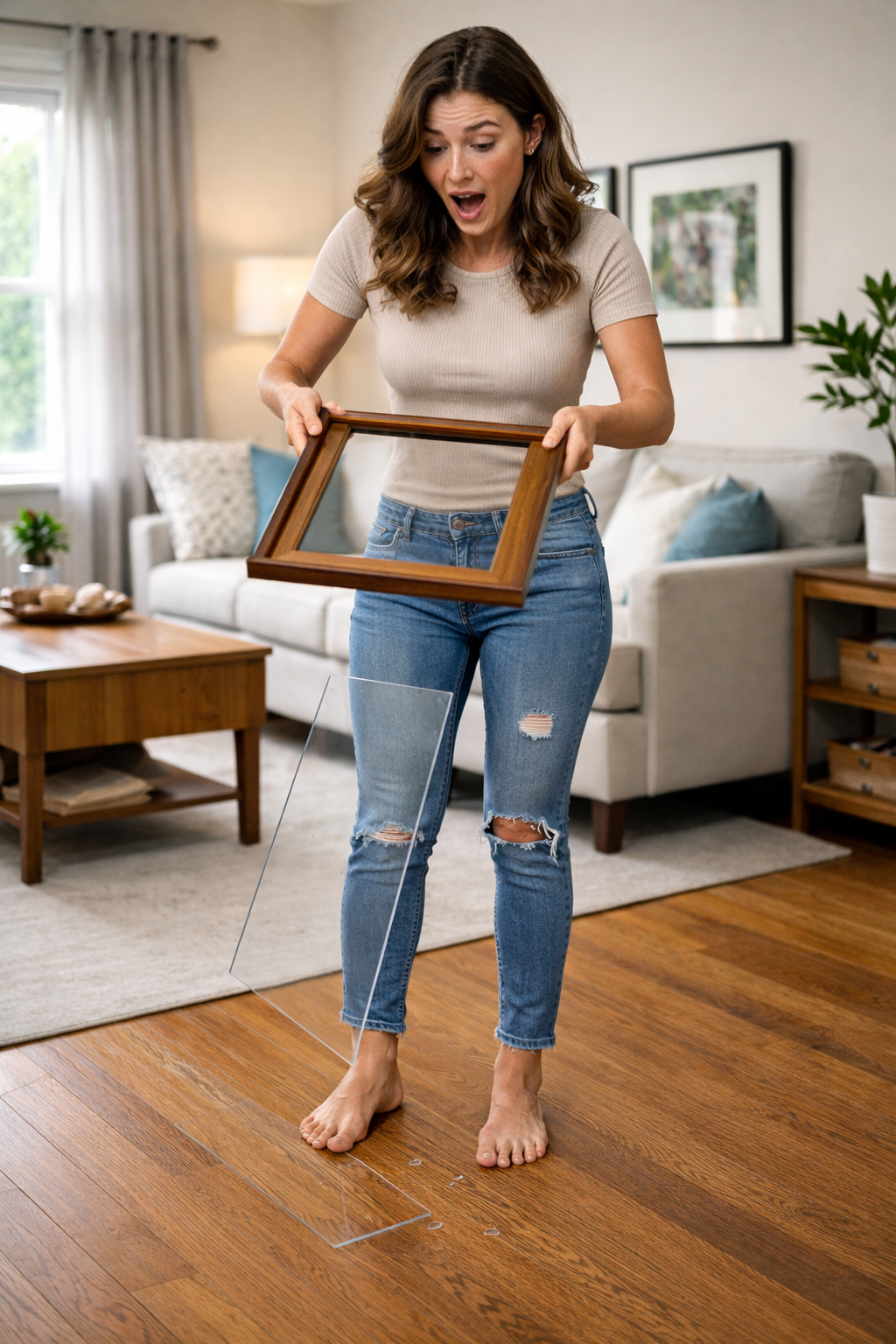
I was hanging a picture frame at home. Nothing complicated—just one of those quick projects you knock out in a few minutes. I picked the frame up by the sides to move it into position.
As I lifted it, the bottom of the frame suddenly gave out.
The glass dropped straight down and landed directly on the top of my bare foot.
Within seconds, what started as a simple task turned into a trip to urgent care. The cut was deep enough that I ended up needing eight stitches.
Looking back, there were a few things I didn’t think about in that moment. I was barefoot. I didn’t consider the possibility that the frame might break. I didn’t think about what could happen if the glass slipped or fell.
It really wasn’t a dangerous job. I wasn’t using power tools or heavy equipment. I was just hanging a picture.
But that’s the reality of many injuries—they don’t happen during obviously dangerous activities. They happen during everyday tasks when we assume nothing will go wrong.
The same thing happens at work all the time.
Many of the injuries we see in the workplace don’t come from the big, obvious hazards. They come from routine tasks—the things we do every day without much thought. Carrying materials from one place to another. Reaching for something on a shelf. Moving equipment a few inches. Cleaning up an area before heading home.
Because we’ve done these things so many times, they start to feel automatic. Familiarity makes them feel safe. We stop thinking about the small risks involved because nothing bad has happened before.
But it only takes one moment—one slip, one unexpected break, one object falling—to turn a normal task into an injury.
- A box shifts unexpectedly while lifting.
- A tool slips out of someone’s hand.
- A surface is slicker than expected.
- A piece of equipment fails in a way no one anticipated.
Suddenly, something routine becomes a first aid incident or worse, a trip to the hospital.
That’s why one of the most important parts of safety isn’t just recognizing the obvious hazards—it’s staying aware during the simple tasks we perform every day. The ones that feel routine. The ones we’ve done a thousand times without a problem.
Because sometimes the tasks that seem the safest are the ones that catch us off guard.
My picture frame certainly did.
And it was a good reminder that whether we’re at work or at home, a little awareness can go a long way in preventing injuries.
Contact SEA today and let us help you with hazard assessments, from simple tasks to complex processes.