
Navigating OSHA's New Arc Flash Guidance - What Employers Need to Know
The Occupational Safety and Health Administration (OSHA), in collaboration with the Partnership for Electrical Safety and KEMA Laboratories, has recently unveiled new guidance aimed at addressing arc flash hazards in the workplace. This guidance is a crucial update that highlights the need for comprehensive electrical safety programs that specifically include measures to protect against arc flash hazards. Here’s what employers need to understand about the new directives and how they can effectively respond.
Understanding Arc Flash and OSHA's Recommendations
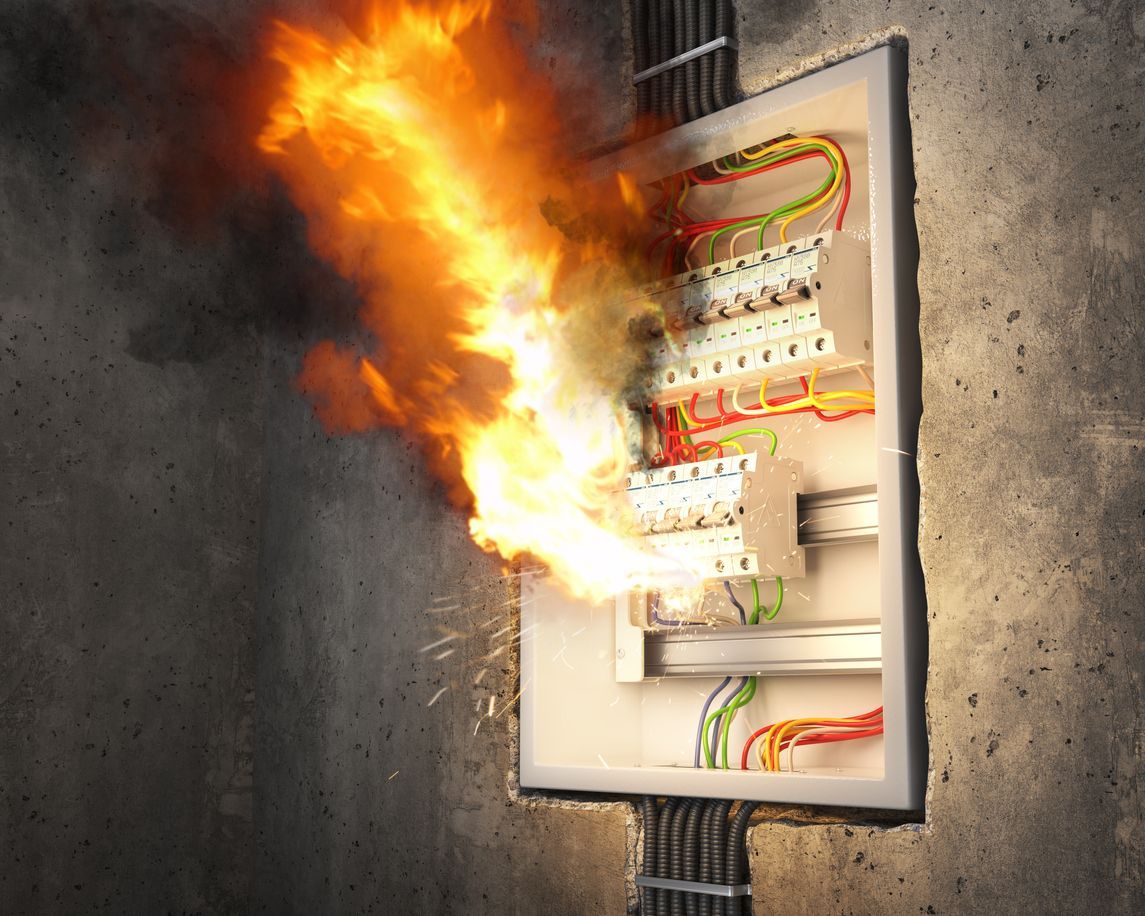
An arc flash is a type of electrical explosion that results from a low-impedance connection to the ground or another voltage phase in an electrical system. The new guidance provided by OSHA not only offers a clear definition of what constitutes an arc flash but also elaborates on methods to mitigate such hazards during electrical work. The guidance includes detailed documents for employers and useful handouts for employees, emphasizing the common myths and the reality of arc flash dangers.
The Role of NFPA 70E
OSHA’s guidance strongly correlates with the standards outlined in NFPA 70E, the National Fire Protection Association’s standard for electrical safety in the workplace. Employers who are already compliant with NFPA 70E likely have a written Electrical Safety Program (ESP) that includes protocols for arc flash hazards. This new guidance serves to reinforce the importance of these existing standards while also urging those without comprehensive plans to take immediate action.
What if You Don’t Have a Comprehensive ESP?
For employers who have yet to develop an ESP that addresses arc flash hazards, OSHA’s guidance is a wake-up call. It is crucial to recognize that general workplace safety standards, although not specifying arc flash, require protection against electrical hazards under regulations like 1910.333. The absence of specific OSHA standards for arc flash does not excuse employers from the responsibility of protecting their employees from such risks.
Implementing Effective Arc Flash Protection Measures
- Incident Energy Analysis: A foundational step in arc flash protection is conducting an incident energy analysis. This process involves studying the facility’s electrical systems to calculate the potential energy released in the event of an arc flash. Understanding this energy potential is essential for determining the arc flash boundary—the distance within which a person could receive second-degree burns or worse if exposed to an arc flash.
- Developing a Risk Assessment Procedure: Employers need to establish a procedure for assessing the risks associated with arc flash. This includes evaluating the tasks being performed, the condition of the electrical equipment, the maintenance history of the equipment, the energy involved, and the potential for human error.
- Deciding on Protective Measures: Once risks are assessed, decisions must be made regarding the best ways to protect employees. This often involves the use of Arc-Rated Personal Protective Equipment (PPE) and could also include engineering controls such as redesigning parts of the electrical system to minimize arc flash risks.
Proactive Versus Reactive: The Choice is Yours
The latest guidance from OSHA should be viewed as an unofficial yet critical call to action for employers to either update their existing safety measures or develop new protocols in line with NFPA 70E. Being proactive about electrical safety not only helps in compliance with OSHA’s standards but fundamentally enhances the safety and well-being of employees.
Final Thoughts
The introduction of OSHA’s arc flash guidance is a significant step toward heightened awareness and improved safety practices surrounding electrical hazards in the workplace. Employers are encouraged to review their current safety protocols, educate their workforce about the dangers of arc flash, and implement comprehensive measures to prevent such incidents.
Always keep in mind that workplace safety begins with staying informed and well-prepared. Make it a habit to test before you touch it and prioritize safety like your life depended on it!
For more insights into workplace safety and compliance, keep following our blog. Your safety is our priority, and together, we can foster a safer working environment for all.
By Derek Jennings
President SEA