Navigating the Smoke: The Impact of Wildfires on Air Quality and Health Risks
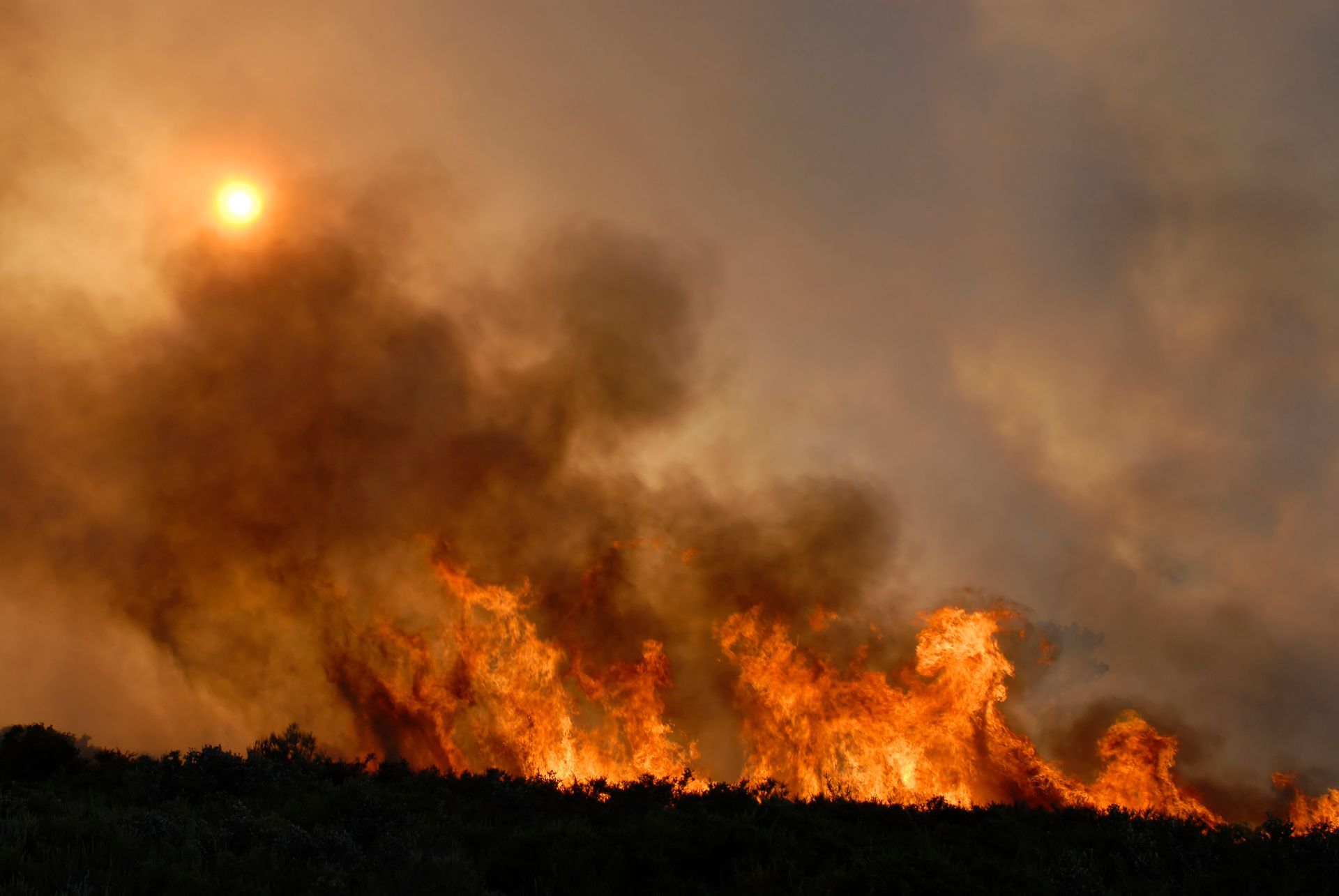
As wildfires continue to blaze across regions like Los Angeles, CA, they leave behind more than just scorched earth. The air quality in affected and surrounding areas deteriorates significantly, posing severe health risks to residents. Understanding the transformation of plant materials into char and ash during these fires, and the subsequent impact on our environment and health, is crucial for community safety and preparedness.
The Science Behind the Smoke: Pyrolysis and Wildfires
When wildfires burn through vegetation, the intense heat triggers a chemical process known as pyrolysis. This is where organic materials (like plants) break down under high temperatures in the absence of oxygen, transforming into various gases and liquids, and a solid residue rich in carbon, known as char. As the fire consumes more material, the process continues, leaving behind a substantial amount of ash, which consists mainly of inorganic substances. Both char and ash are significant byproducts of wildfires and contribute to the complex makeup of wildfire smoke.
The Dangers of Char and Ash
- Air Quality Degradation: The small particles of char and ash produced during wildfires can become airborne and are small enough to be inhaled deeply into the lungs. They can travel vast distances, affecting air quality over broad areas. This particulate matter (PM) can penetrate indoor environments, making virtually no place safe from its reach.
- Health Implications: The health risks associated with poor air quality during and after a wildfire are significant. Inhalation of fine particulate matter from char and ash can lead to respiratory issues such as asthma attacks, bronchitis, and other chronic respiratory conditions. It can also exacerbate heart conditions, leading to increased hospital visits, and in severe cases, premature death. Vulnerable populations, including children, the elderly, and those with preexisting health conditions, are particularly at risk.
- Environmental Impact: Beyond human health, the environmental impact of char and ash is profound. These substances can contaminate water sources and soils, leading to long-term ecological damage and affecting the regrowth and recovery of natural habitats.
- Combustion Product Analysis: A Critical Need In the aftermath of a wildfire, analyzing the combustion products —char and ash—is essential to assess the environmental and health impact comprehensively. This analysis helps in understanding the specific contaminants released and assists in formulating strategies for cleanup and mitigation to prevent further harm to public health and the environment.
Precautions and Recommendations
- Stay Informed: Keep track of air quality indexes (AQI) in your area through reliable sources to know when the air is unsafe.
- Limit Exposure: Avoid outdoor activities during high AQI levels. Keep windows and doors closed to minimize indoor air pollution.
- Use Air Purifiers: High-efficiency particulate air (HEPA) purifiers can help reduce indoor air particulate levels.
- Consult Health Professionals: If you experience any health issues related to air quality, consult medical professionals immediately.
As communities near and far from the immediate blaze cope with the fallout of these devastating fires, understanding the complexities of wildfire smoke, specifically the roles of char and ash, becomes paramount. By staying informed and prepared, individuals and communities can better protect themselves from the less visible, but equally dangerous, aspects of wildfires.
By Derek Jennings, President SEA